11 Jun 2026
Adapting Live Odds Structures for Accumulator Bets Amid Major Events
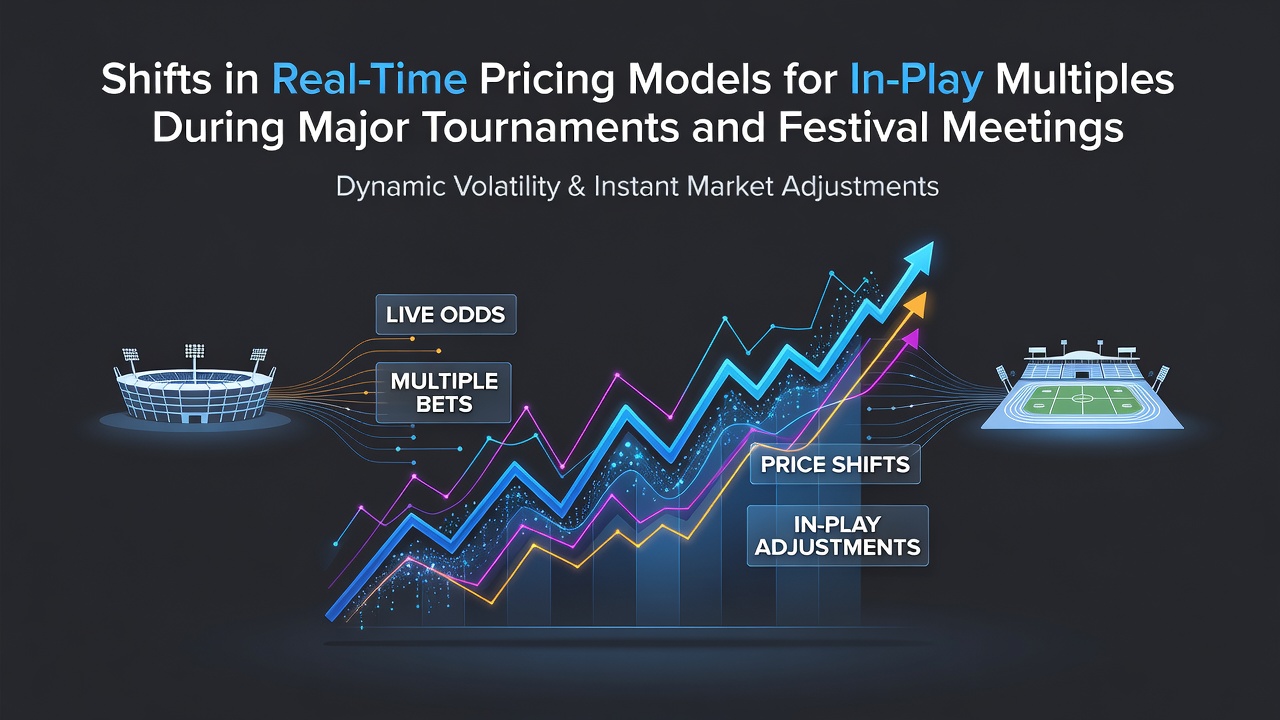
Bookmakers have refined their approaches to real-time pricing for in-play multiples as demand rises during large-scale tournaments and festival gatherings, with systems now processing live data feeds from multiple sports simultaneously to recalculate combined odds on accumulators that span several selections.
These adjustments rely on algorithms that integrate variables such as player performance metrics, weather conditions at venues, and historical patterns from similar events, allowing odds to shift within seconds rather than minutes as was common in earlier models.
Core Components of Updated Pricing Systems
Operators deploy layered data pipelines that pull inputs from official match trackers, satellite feeds, and third-party analytics providers, then apply weighting factors to each component before generating updated multiples for bettors who combine selections across ongoing matches or races. One study from the University of Sydney highlighted how such integrations reduced latency in odds updates by up to 40 percent during high-volume periods like international soccer competitions. External factors including crowd dynamics at festival meetings further influence these calculations, prompting automated safeguards that cap liability on certain accumulator combinations when volume spikes unexpectedly.
Patterns Observed in Tournament Settings
During extended events spanning several weeks, pricing models incorporate broader contextual layers that account for cumulative fatigue across teams or participants, which alters the implied probabilities within live multiples. Data from the European Gaming and Betting Association shows increased volatility in accumulator prices during group stages of continental championships, where early results trigger cascading adjustments across remaining fixtures. Observers note that these shifts often cluster around key moments such as red cards or goal scorings, yet the models now distribute risk more evenly across linked selections instead of isolating single events.
Those who monitor betting volumes report that festival meetings, including multi-day horse racing gatherings, produce distinct pricing behaviors because selections from different races become bundled into trebles or Yankees with tighter margins as the schedule progresses. Algorithms adjust for track conditions evolving throughout the day while cross-referencing prior race outcomes to refine each leg of the multiple.
Integration of Festival-Specific Variables
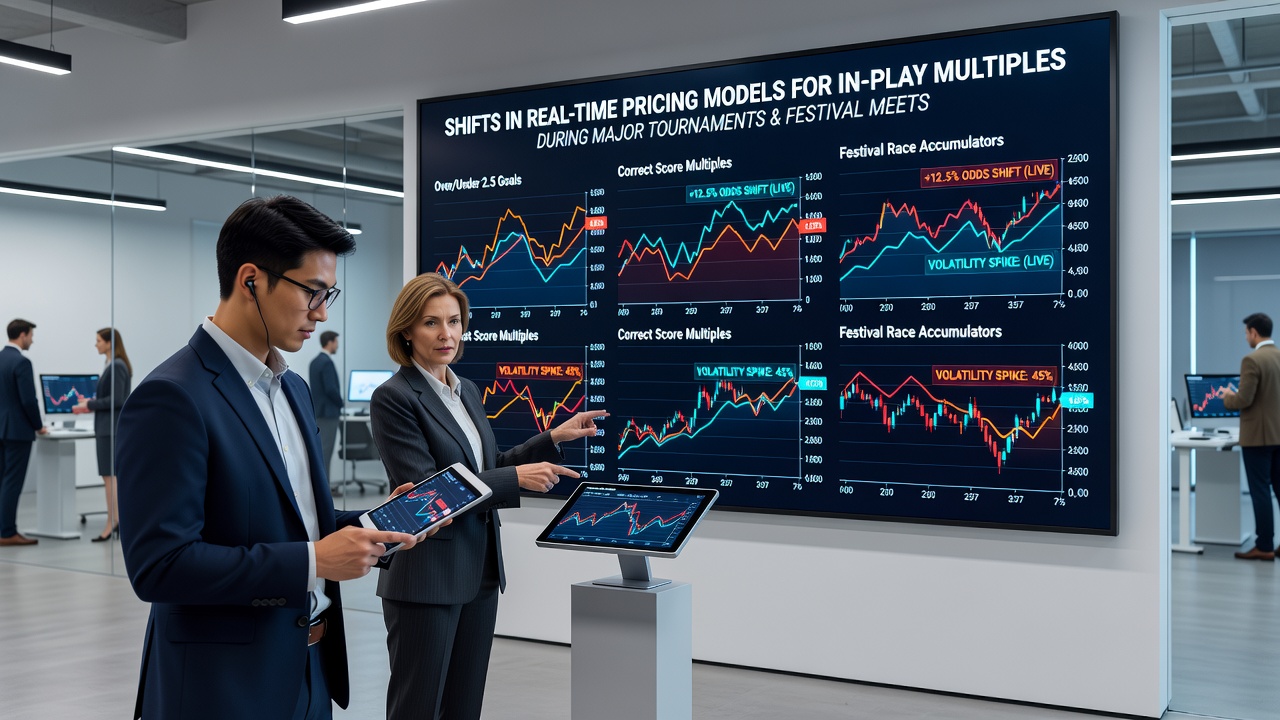
Festival environments introduce additional layers such as participant declarations, non-runner notifications, and localized betting patterns that models must absorb without disrupting overall accumulator structures. Researchers at McGill University examined how these inputs affect pricing stability and found that hybrid systems blending machine learning with rule-based overrides maintain consistency even when sudden withdrawals occur mid-meeting. In June 2026, several overlapping international tournaments and racing festivals are expected to test these frameworks further as simultaneous events generate overlapping data streams that demand rapid cross-referencing.
Operators have introduced tiered response protocols that escalate certain accumulator lines to manual review when volume thresholds are exceeded, ensuring that real-time models do not overreact to temporary anomalies. This approach preserves continuity for bettors constructing complex multiples while allowing the underlying systems to recalibrate continuously.
Comparative Shifts Across Regions
Markets outside traditional European hubs demonstrate parallel developments, with North American operators adapting similar frameworks for basketball and baseball accumulators during playoff runs. Reports indicate that these models place greater emphasis on travel schedules and back-to-back game fatigue, variables that parallel the fatigue tracking used in soccer tournaments. Australian regulatory data similarly records refined in-play multiple pricing during major racing carnivals, where same-day multi-race accumulators require frequent updates tied to barrier draws and pace assessments.
Industry reports confirm that cross-sport accumulator offerings, once rare, now feature prominently during periods when tournaments and festivals coincide, prompting unified pricing engines capable of handling diverse event types within single multiples.
Conclusion
Real-time pricing for in-play multiples continues to evolve through tighter integration of live data sources and refined risk distribution methods, supporting sustained activity across major tournaments and festival meetings without compromising operational stability. These developments reflect broader industry responses to increasing complexity in combined betting products.