28 Jul 2026
Algorithmic Alignments: How Live Price Mechanics Meet Layered Incentives in Cross-Sport Multiples
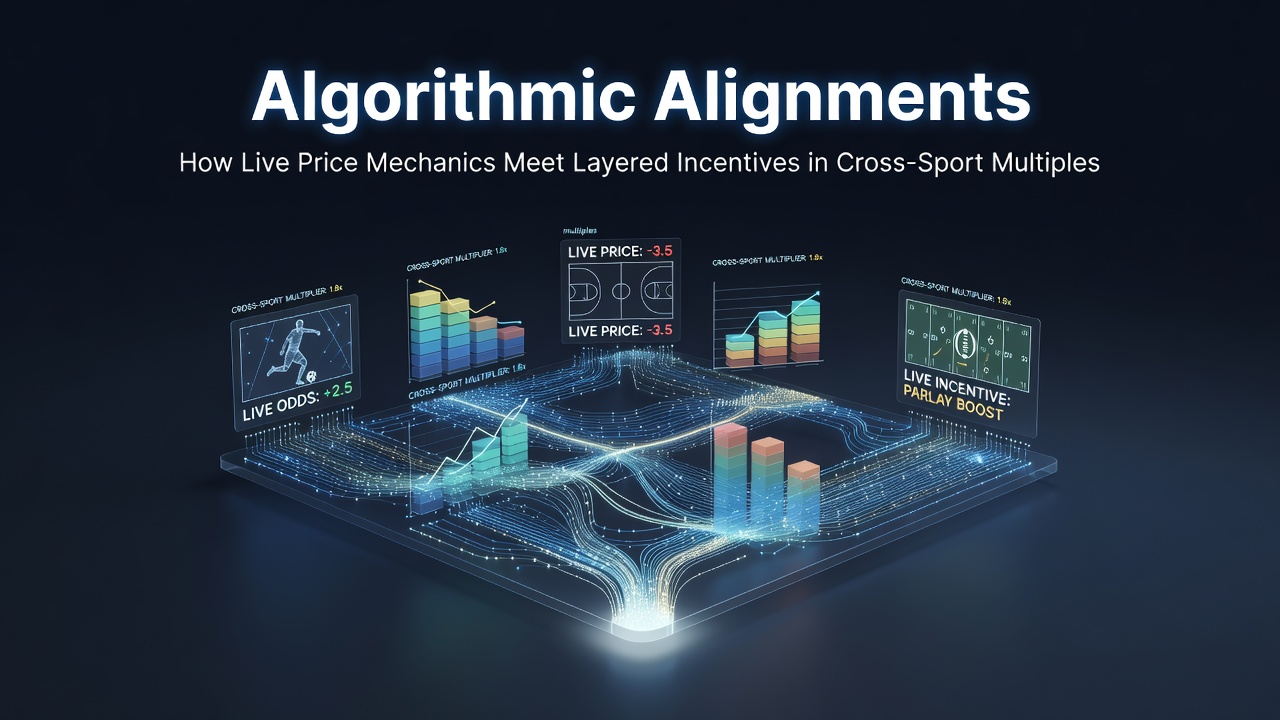
Live betting platforms rely on algorithmic systems that recalibrate odds in real time as events unfold, and these adjustments integrate with layered incentive structures to support accumulator bets spanning different sports. Observers note that such alignments allow operators to manage risk across soccer matches, horse races, tennis sets, and basketball quarters simultaneously while maintaining promotional layers like boosted payouts or conditional free bets that activate only when specific combinations succeed.
Live Price Mechanics in Action
Algorithms process streams of data from venues, player statistics, weather conditions, and betting volumes to shift prices continuously, and they achieve this through models that weigh immediate outcomes against remaining probabilities. Researchers at institutions studying computational finance have examined how these systems mirror high-frequency trading logic yet adapt to the discrete nature of sporting events, which means a goal in one match can trigger cascading repricing across unrelated competitions in the same accumulator ticket.
During July 2026, major tournaments overlapped with racing festivals in several regions, and platforms reported that live price engines handled thousands of micro-adjustments per minute to keep cross-sport multiples balanced. Data from the National Center for Responsible Gaming shows that operators using multi-factor models reduced exposure on high-volume accumulator products by recalibrating margins dynamically rather than applying static spreads.
Layered Incentives and Their Integration
Incentive structures often sit on top of core pricing engines, and they include conditional bonuses that scale with the number of legs in a multiple, cash-out offers tied to live probability thresholds, and loyalty multipliers that apply only when selections cross sport categories. These layers function because algorithms detect when a bettor's ticket meets eligibility rules, then apply the incentive without disrupting the underlying price feed.
One study from the Gambling Research Exchange Ontario tracked how operators in multiple jurisdictions aligned incentive triggers with live odds movements, and findings indicated that synchronized systems lowered the incidence of mismatched promotions that could otherwise create unintended value for bettors. Such coordination matters because a sudden price shift in a soccer leg can alter whether a racing treble still qualifies for an enhanced payout, and automated checks prevent manual overrides that introduce errors.
Cross-Sport Multiples and Algorithmic Coordination
Cross-sport accumulators combine selections from events with differing durations and data frequencies, so algorithms must normalize probabilities into a common framework. A tennis set might update every few points while a horse race sprint resolves in under two minutes, and the system reconciles these timelines by weighting volatility and liquidity factors before displaying a combined price.
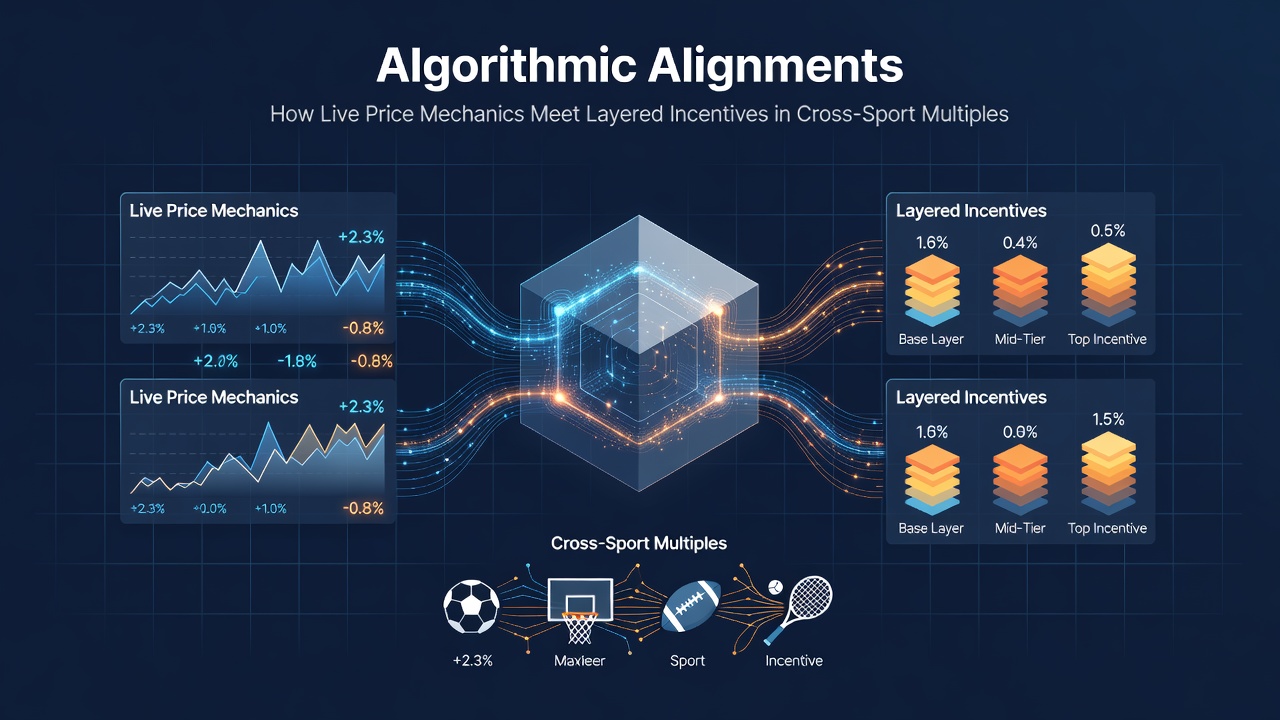
Platforms that master this coordination can offer accumulator boosters that activate only when live conditions satisfy preset thresholds across all legs, and market data from July 2026 indicated increased volume in such products during overlapping international calendars. Those who've analyzed transaction logs observe that the algorithms often embed correlation adjustments, recognizing that certain sports share indirect influences like time-zone fatigue or weather patterns affecting multiple events on the same day.
Operational Patterns Observed in Mid-2026
Industry reports compiled during July 2026 highlighted that operators refined their algorithmic alignments to handle regulatory caps on stake sizes and promotional values, and these refinements required tighter coupling between pricing modules and incentive engines. Systems now flag when a live price movement would push a multiple outside acceptable risk parameters, then either suspend the incentive layer or recalibrate the remaining legs to restore balance.
Take one platform operator that adjusted its cross-sport offering during a congested fixture period, and the result was sustained liquidity without disproportionate liability spikes because the algorithm redistributed margins across the ticket rather than concentrating adjustments on single selections. Observers note that such approaches preserve the appearance of competitive pricing while protecting overall margins through coordinated incentive delivery.
Conclusion
Algorithmic alignments between live price mechanics and layered incentives have become central to the operation of cross-sport multiples, and evidence from regulatory filings and academic reviews shows continued refinement through 2026. These systems process high-velocity data streams, apply correlation adjustments, and enforce incentive conditions in unified workflows that reduce operational friction. As overlapping event calendars persist, the technical integration of these components determines how platforms manage both risk and promotional activity across diverse sporting domains.