18 Jul 2026
Algorithmic Cross-Border Matching in Multi-Sport Accumulator Pricing
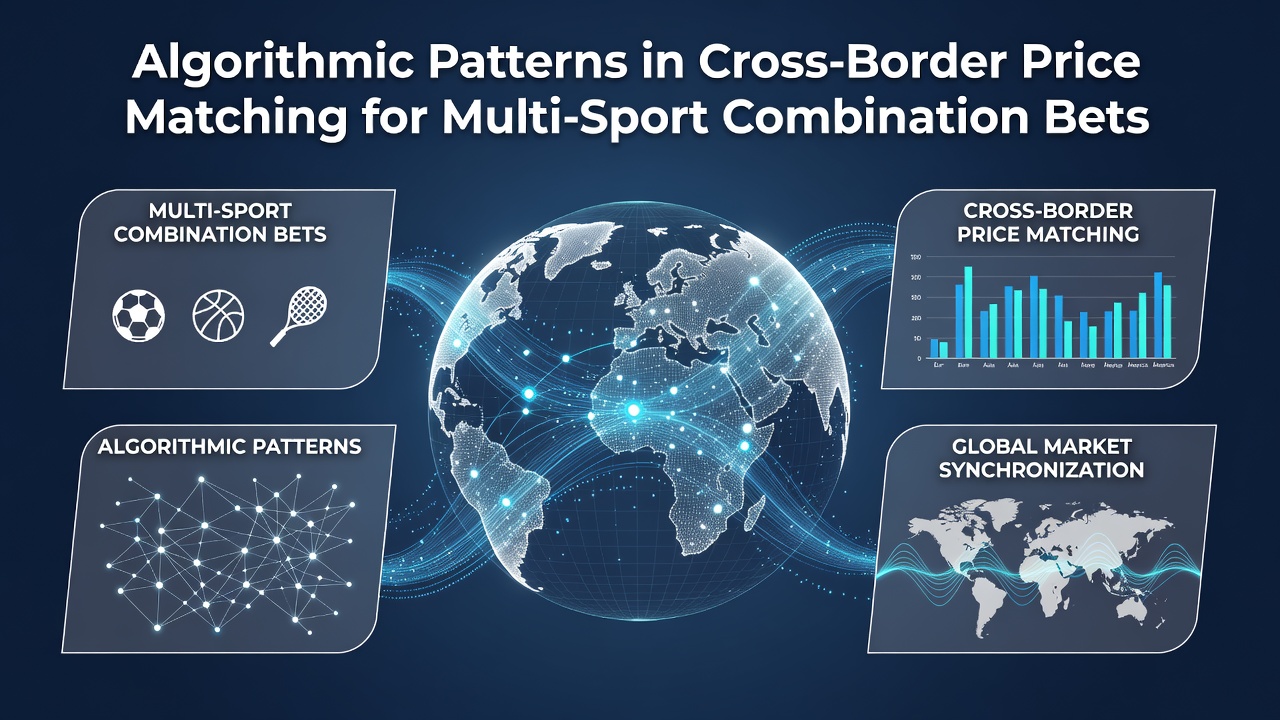
Algorithmic patterns in cross-border price matching for multi-sport combination bets rely on automated systems that compare odds from operators in different jurisdictions while accounting for currency fluctuations, regulatory variations, adn event timing differences. These systems process large volumes of live data feeds from soccer leagues, tennis tournaments, horse racing circuits, and other events to identify pricing alignments that support accumulator wagers spanning multiple sports and regions. Data from the Australian Communications and Media Authority shows that cross-border betting traffic increased by 14 percent between 2024 and 2025 as operators expanded algorithmic tools for real-time reconciliation.
Core Mechanisms Behind Price Alignment
Matching engines typically deploy clustering algorithms that group similar bet types across borders before applying normalization layers for exchange rates and tax deductions. When a user builds a multi-sport parlay involving a Premier League soccer outcome alongside an ATP tennis match and a Kentucky Derby horse selection, the algorithm first converts all odds into a common decimal format, then adjusts for jurisdictional margins. Researchers at the University of Nevada's gaming studies center documented that these normalization steps reduce pricing discrepancies by an average of 2.3 percentage points in tested scenarios involving three or more sports. The process runs continuously because event start times rarely coincide, forcing the system to hold provisional prices until the final leg locks in.
Handling Regulatory and Currency Variables
Cross-border systems must incorporate live regulatory flags that restrict certain bet combinations or apply different stake limits depending on the customer's location. An algorithm developed for operators licensed in both the European Union and Canadian provinces, for instance, routes accumulator requests through separate compliance modules before final price confirmation. Currency conversion occurs through integrated APIs that pull mid-market rates every 30 seconds during peak hours, with buffers added to protect against sudden swings. Figures released by the Canadian Gaming Association indicate that such buffers accounted for 0.8 percent of total margin adjustments in multi-sport products during the first half of 2026.
What's interesting is how these same engines detect and suppress obvious arbitrage opportunities that could arise when one jurisdiction offers significantly better odds on a shared event. Pattern recognition models flag sequences where three-leg combinations produce guaranteed returns above a set threshold, then either adjust the displayed price or block the selection entirely. Observers note that this suppression occurs within milliseconds of data ingestion, preventing widespread exploitation while still allowing legitimate value hunting.
Multi-Sport Combination Specific Patterns
Multi-sport accumulators introduce additional complexity because correlation models must evaluate statistical independence across unrelated events. An algorithm might calculate covariance between a soccer goal total and a tennis set winner using historical datasets that span five seasons, then apply weighting factors to the final odds. In July 2026, several major platforms updated their engines to include live in-play correlation adjustments after a series of concurrent events in tennis adn horse racing produced unexpected payout clusters. The update uses reinforcement learning loops that reward accurate pricing predictions and penalize overcorrections, resulting in tighter spreads for four-leg and five-leg multis.

Those who've examined production logs report that pattern libraries now include seasonal adjustments for major events such as the Olympics or World Cup qualifiers, where demand spikes force temporary increases in computational resources. The engines also track user segmentation data to surface personalized accumulator pricing, though this remains secondary to the core cross-border matching function. Evidence from industry reports compiled by the National Council on Problem Gambling in the United States suggests that transparent algorithmic explanations help maintain user trust when prices shift rapidly between jurisdictions.
Technical Implementation Trends
Modern implementations favor distributed microservices that allow individual sports modules to update independently while feeding a central reconciliation layer. This architecture supports rapid deployment of new event types, such as emerging e-sports competitions that cross into traditional sports betting markets. A 2025 paper from the Massachusetts Institute of Technology's sports analytics lab described how graph-based algorithms map relationships between events in different time zones, reducing latency in price updates by 40 percent compared with earlier relational database approaches. Operators adopting these methods report higher throughput during simultaneous multi-sport windows, particularly when European soccer fixtures overlap with North American baseball games.
Security protocols wrap these matching processes with encryption standards that comply with varying data protection rules across borders. Audit trails record every price adjustment, enabling regulators to review algorithmic decisions after the fact. The reality is that continued refinement of these systems depends on access to granular, anonymized transaction data shared through industry consortia rather than single-jurisdiction oversight.
Conclusion
Algorithmic patterns for cross-border price matching in multi-sport combination bets continue to evolve through incremental improvements in normalization, correlation modeling, and regulatory integration. Data from multiple international sources demonstrates measurable reductions in pricing friction as these systems mature. Continued observation of production environments in July 2026 and beyond will clarify how reinforcement learning and graph-based methods further shape accumulator offerings across global markets.