Algorithmic Frameworks Aligning Layered Rewards in Soccer Accumulators and Equine Sprint Markets
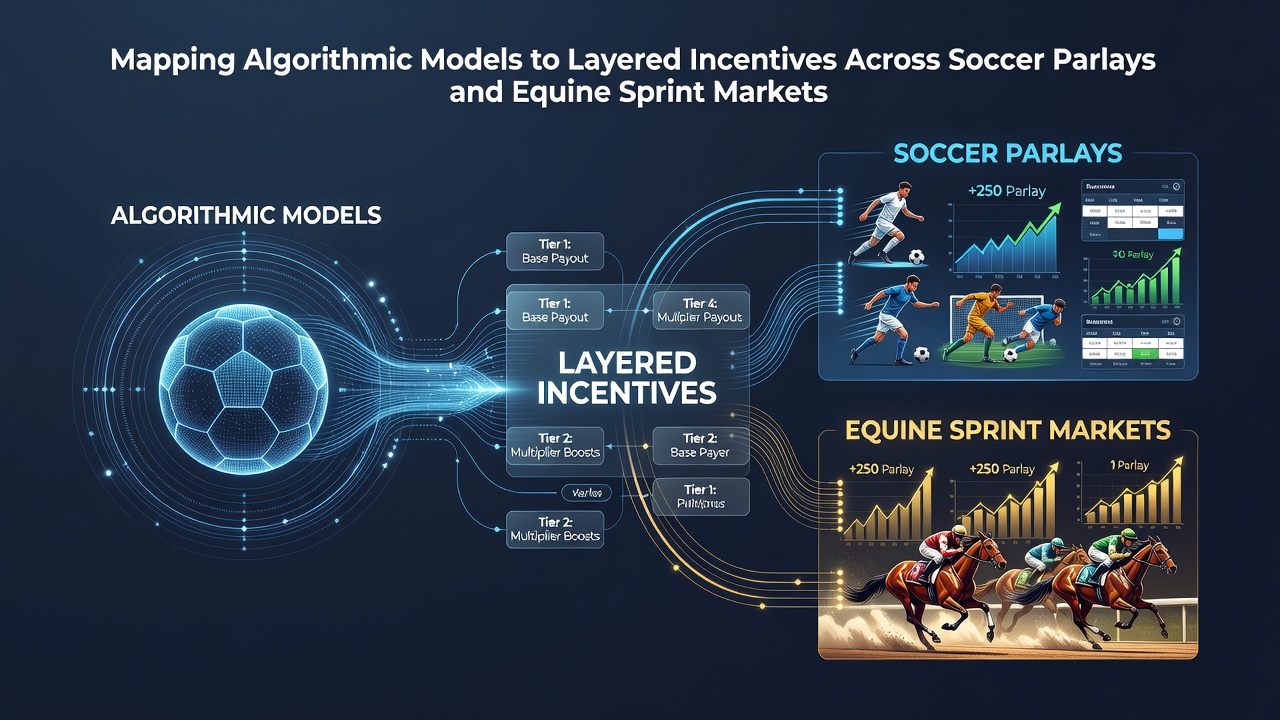
Algorithmic models now shape how operators structure rewards across complex betting products, particularly soccer accumulators and equine sprint events. These systems process vast datasets on odds movements, participant form, and historical payout patterns to determine where layered incentives such as boost multipliers and conditional free bet triggers deliver the greatest alignment between operator margins and participant engagement. Data from global markets indicate that such mapping has grown more precise since early 2025, with operators adjusting parameters monthly based on live performance metrics.
Core Components of Algorithmic Mapping
Models typically combine probability engines with optimization layers that evaluate thousands of potential bet combinations each second. Inputs include current market liquidity, historical correlation between match outcomes in soccer leagues, and velocity statistics from short-distance thoroughbred races that often conclude in under 60 seconds. Researchers at institutions studying computational finance note that these engines reduce manual pricing errors by up to 18 percent compared with earlier rule-based systems, according to findings shared through industry research networks.
Layered incentives enter the equation through conditional rules. A soccer parlay reaching three legs might unlock an automatic stake boost only when the combined odds exceed a threshold calculated in real time. Equine sprint markets receive parallel treatment where morning-line favorites in five-furlong races trigger different reward tiers than longer-priced contenders. Observers note that this dual-track approach allows operators to balance exposure across both verticals without overextending promotional budgets.
Soccer Parlays and Dynamic Reward Calibration
Soccer accumulator markets present high-dimensional challenges because correlations between matches fluctuate with team news, weather, and fixture congestion. Algorithms address this by generating probability surfaces that update after each goal or substitution. When an accumulator reaches a predetermined success probability band, the system can layer an additional reward such as a partial cash-out enhancement or an extra leg qualifier. Figures released by the American Gaming Association in mid-2025 showed accumulator volume rising 11 percent year-over-year in regulated North American markets, with algorithmic reward adjustments cited as a contributing factor.
Operators also embed risk controls within the same models. If projected liability on a particular multi-leg ticket exceeds internal thresholds, the incentive layer automatically scales down or redirects participants toward alternative products. This feedback loop operates continuously, preventing sudden spikes in exposure during high-profile European matchdays.
Equine Sprint Markets and Velocity-Based Adjustments
Equine sprint races introduce distinct variables centered on gate speed, track bias, and post-position impact. Algorithmic systems ingest timing data from the final 200 meters to recalibrate expected values mid-meeting. Layered incentives here often appear as enhanced place terms or bonus dividends triggered when a selection finishes within a calculated margin of the winner. Australian wagering data compiled by state regulators during the 2025-2026 season revealed that sprint-specific reward layers increased handle by 7 percent at tracks hosting frequent short-distance events.
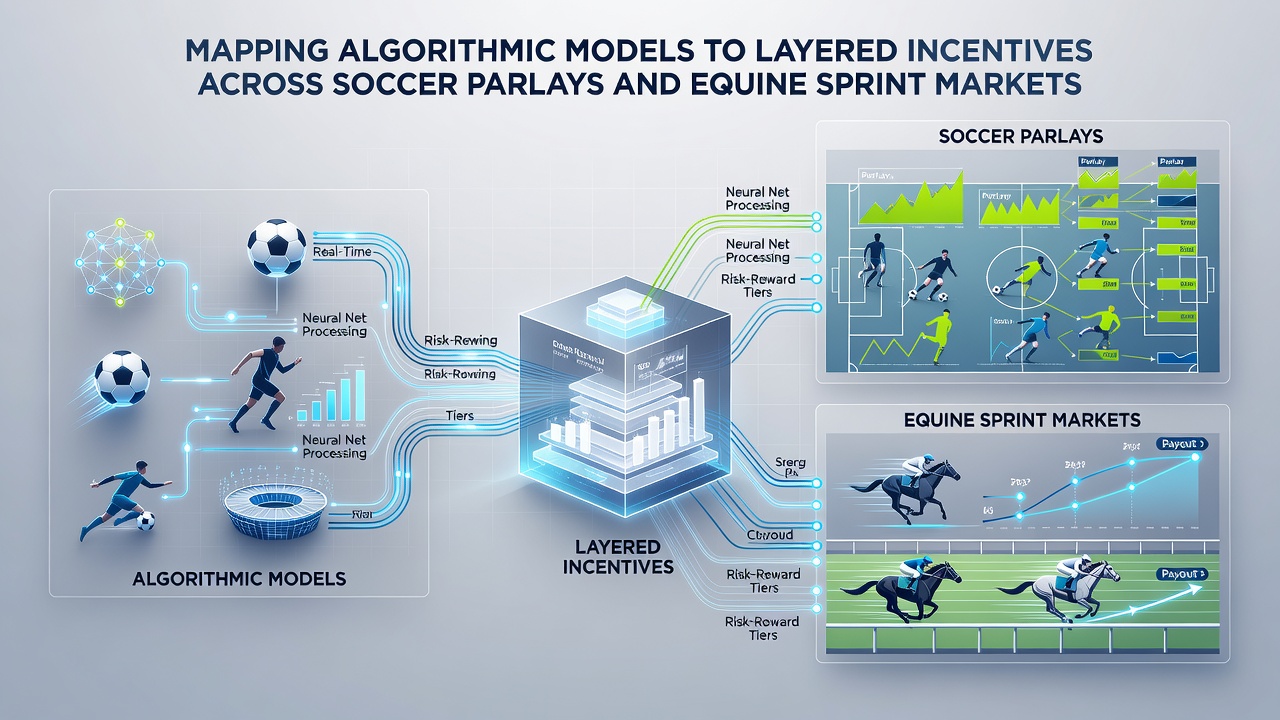
June 2026 brought further refinement when several major tracks implemented new sensor arrays that feed velocity metrics directly into pricing engines. These upgrades allow reward tiers to shift between heats rather than between full racecards, creating tighter coupling between observed performance and promotional triggers.
Integration Challenges and Regulatory Context
Mapping algorithms across both product verticals requires careful data governance. Privacy frameworks in the European Union and data-handling standards maintained by Canadian provincial authorities influence how participant behavior signals can be incorporated into models. Operators must segment datasets so that soccer accumulator patterns do not inadvertently influence equine reward structures, preserving product-specific integrity.
Industry reports from the National Council on Problem Gambling indicate that transparent display of algorithmic reward conditions correlates with higher participant trust scores in surveyed jurisdictions. This has prompted several operators to publish simplified explanations of how boost eligibility is determined, even while keeping underlying code proprietary.
Future Trajectories for Layered Incentive Systems
Continued advances in reinforcement learning suggest that models will soon test incentive combinations in simulated environments before deployment. Early trials conducted by academic-commercial partnerships show potential reductions in promotional leakage of 12 to 15 percent while maintaining comparable engagement levels. As both soccer and equine sprint calendars intensify through the latter half of 2026, these systems are expected to handle greater volumes of simultaneous events without manual intervention.
Conclusion
Algorithmic mapping of layered incentives continues to evolve as operators seek tighter synchronization between risk management and participant reward structures in soccer accumulators and equine sprint markets. The integration of real-time data feeds, regulatory compliance layers, and performance optimization engines produces frameworks that adapt across multiple jurisdictions and product types. Evidence from 2025 and 2026 demonstrates measurable impacts on handle volumes and operational efficiency, with further refinement anticipated as sensor technology and computational methods advance.