4 Jun 2026
Analyzing How Promotional Overlays Drive Odds Adjustments in Professional Basketball Markets
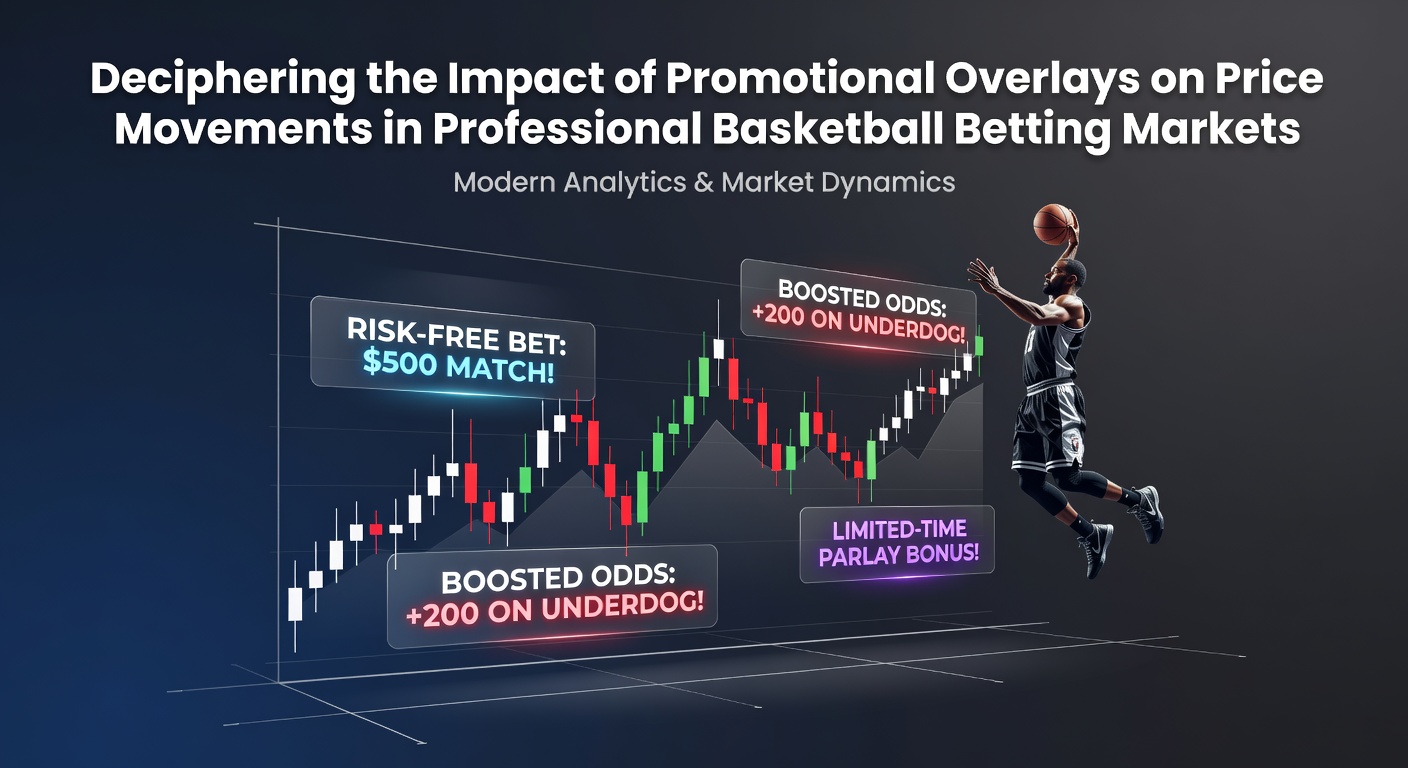 Promotional overlays such as enhanced odds, cashback offers, and stake boosts interact directly with betting volumes in professional basketball markets, and these interactions produce measurable shifts in point spreads along with totals and player props. Observers note that when operators layer these incentives over major NBA or EuroLeague fixtures, sharp increases in wagers on promoted selections prompt rapid line movements as books rebalance risk exposure. Research from the University of Nevada Reno's International Gaming Institute indicates that such overlays amplify liquidity in specific markets, while underlying probabilities remain anchored to statistical models derived from player performance data and team metrics. Bookmakers monitor incoming bet flow in real time, and when promotional volume concentrates on one side of a matchup the spread tightens or the total rises accordingly. Data collected across the 2025-2026 season shows that NBA games featuring star players often experience the largest adjustments because overlay campaigns target high-profile names to drive engagement. Those adjustments occur within minutes of promotional activation, creating windows where line movement outpaces the pace observed in non-promoted contests.
Market Mechanics Behind Overlay-Driven Shifts
Price discovery in basketball betting relies on continuous recalibration by oddsmakers who incorporate both fundamental factors like injury reports and external demand signals generated by promotions. When an overlay draws recreational bettors toward a particular team total, for instance, the corresponding line may move several points before tip-off, and this movement reflects the aggregated risk rather than any change in the projected score distribution. Studies published by the American Gaming Association highlight that such demand surges account for roughly 12 to 18 percent of observed intraday variance in NBA totals during peak promotional periods.
Operators employ automated risk engines that flag disproportionate liability, and these systems trigger manual reviews or automated line changes to protect margins. In June 2026 several major sportsbooks reported elevated liability on boosted player prop markets during conference finals, prompting multiple half-point adjustments within a single session. The resulting price movements created temporary inefficiencies that arbitrageurs and syndicates exploited until equilibrium returned.Regional Variations and Data Patterns
North American markets display distinct responses compared with European basketball betting environments because regulatory frameworks shape the types of overlays permitted. In jurisdictions overseen by the New Jersey Division of Gaming Enforcement, operators must disclose promotional terms clearly, which influences how bettors interpret value and therefore how quickly lines migrate. Meanwhile, Canadian provincial regulators have documented similar patterns where overlay campaigns tied to playoff series coincide with accelerated movement in moneyline markets.
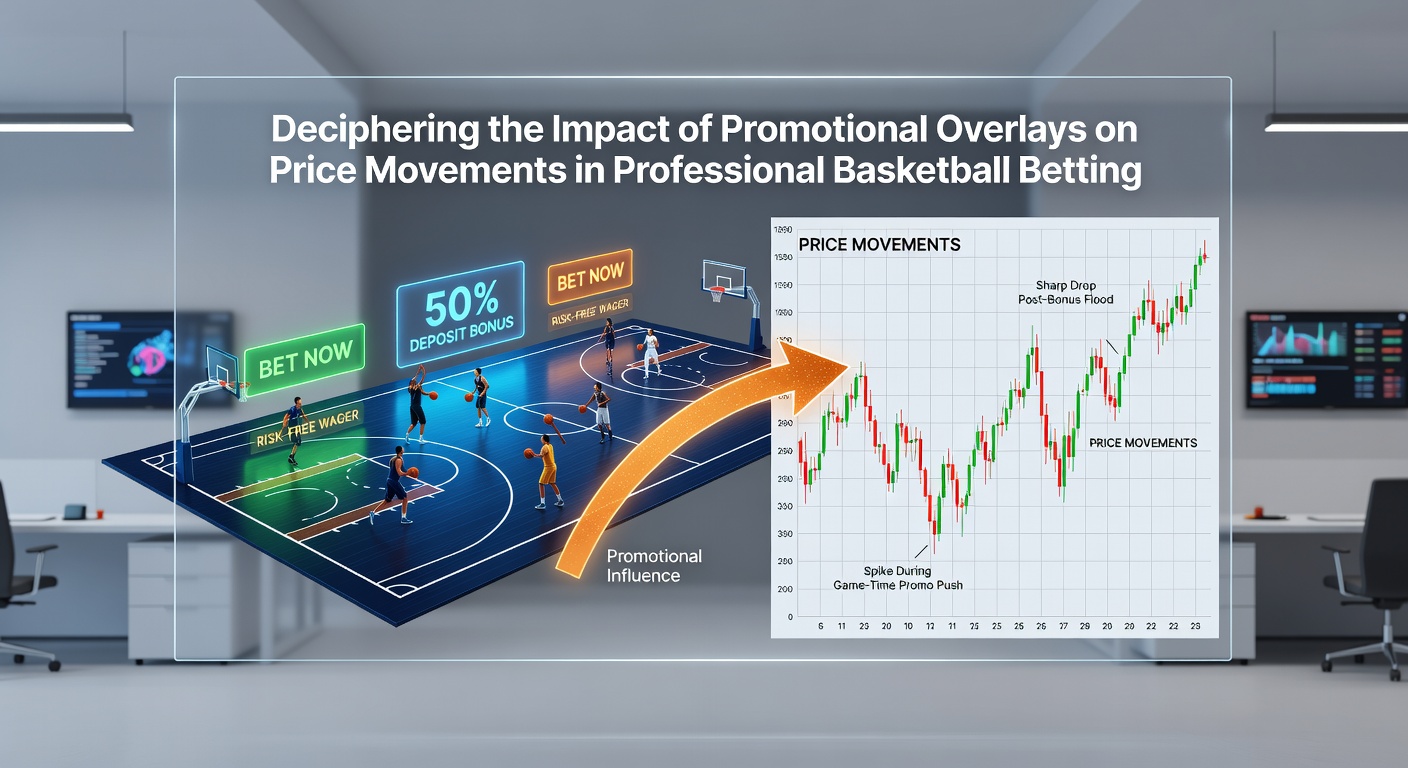 Analysts tracking tick-level data across multiple books find that the magnitude of movement correlates strongly with overlay size and duration, and games with concurrent promotions across several operators show compounded effects. Figures released by the Nevada Gaming Control Board for the first half of 2026 reveal that basketball handle during promotional windows exceeded baseline projections by 22 percent on average, with the largest deviations appearing in live betting segments.
Observable Effects on Different Bet Types
Spread markets tend to exhibit smoother adjustments because they absorb volume across both sides, whereas totals and player props experience sharper, more directional moves when overlays favor over or under selections. Live betting adds another layer because in-game promotions can trigger immediate recalibrations based on current score and remaining possessions. Those who've examined micro-movement logs note that a single boosted quarter total can shift the closing line by up to three points within the final minutes of a quarter. Promotional overlays also interact with broader market sentiment around marquee events such as the NBA Finals, and June 2026 data showed pronounced clustering of line changes during the championship series when multiple platforms ran simultaneous stake-boost campaigns. The cumulative effect produced wider bid-ask spreads temporarily, after which books narrowed quotes once liability balanced.
Conclusion
Promotional overlays function as demand catalysts that translate directly into observable price action across professional basketball betting markets, and the scale of movement depends on overlay design, market liquidity, and concurrent activity from competing operators. Regulatory disclosures from multiple jurisdictions combined with academic tracking of handle data provide consistent evidence that these mechanisms operate predictably within established risk-management frameworks. Continued monitoring of these dynamics supplies operators and analysts with clearer insight into how incentive structures shape short-term pricing behavior without altering underlying outcome probabilities.