Dr James Noyes Urges Pause on Gambling Affordability Checks Pilot in Open Letter to Culture Secretary
16 Apr 2026
Dr James Noyes Urges Pause on Gambling Affordability Checks Pilot in Open Letter to Culture Secretary

The Open Letter That Hit the Headlines
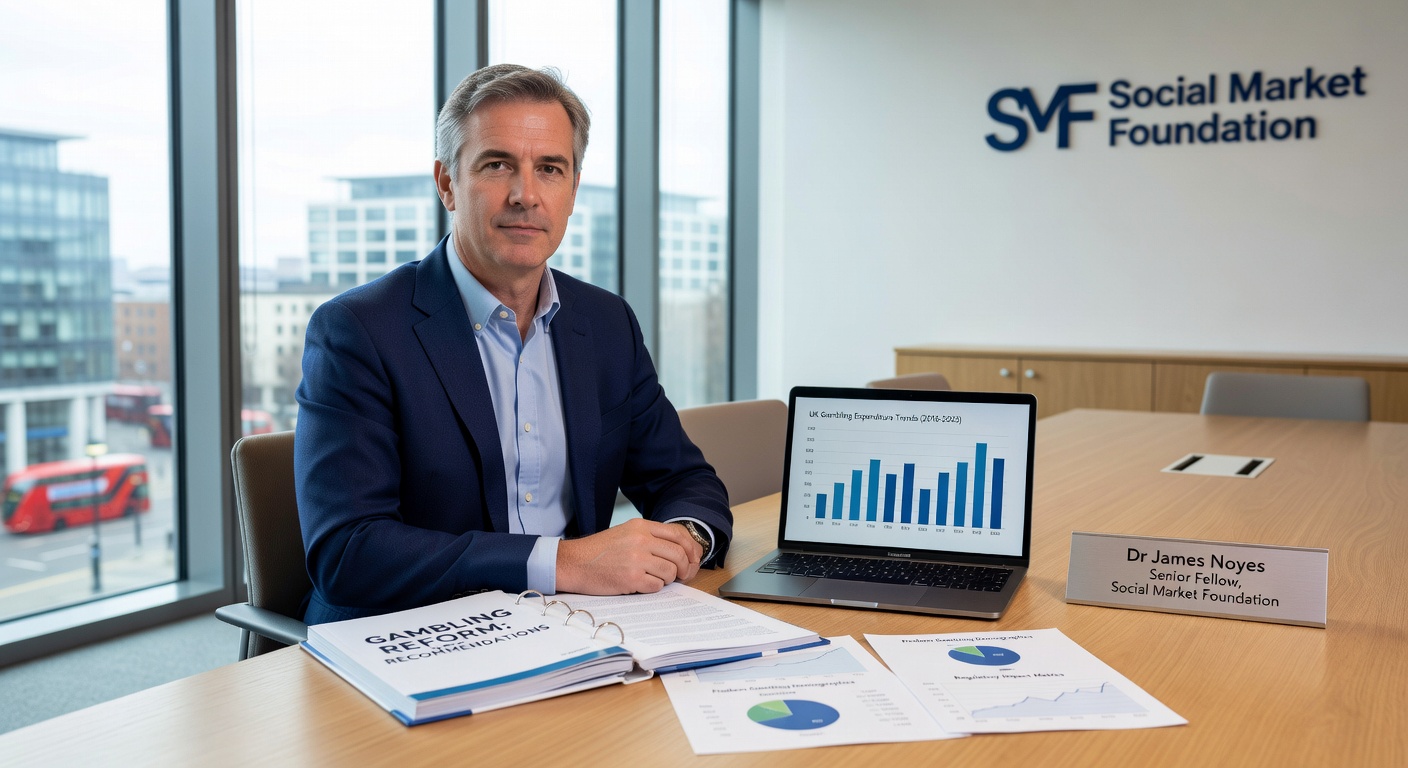
Dr James Noyes, a senior fellow at the Social Market Foundation and longtime advocate for gambling reforms, fired off an open letter on Monday to Culture Secretary Lisa Nandy; in it, he called for the Gambling Commission to hit the pause button on rolling out affordability checks until a proper evaluation of the ongoing pilot scheme takes place. This move comes as the pilot, kicked off back in September 2024, tests a two-tier system of financial risk assessments designed to spot gambling harm early while trying to cut down on customer friction, especially for online gamblers who bet on horse racing. Noyes didn't hold back on his worries, pointing to a lack of transparency in the data, inconsistent reporting, unclear outcomes so far, and what he sees as a disproportionate hit on horse racing punters, concerns that echo those raised by the British Horseracing Authority.
What's interesting here is how this letter lands right in the thick of April 2026 debates, when regulators and industry players alike scramble to balance player protection with the smooth flow of betting activity; observers note that such calls for caution aren't new, but they carry extra weight from someone like Noyes, who's spent years pushing for reforms that actually work without unintended blowback. The pilot itself targets online gambling sessions, using thresholds like net deposits over £1,000 in a 30-day period or losses topping certain limits to trigger checks, all while operators gather feedback on how these friction points play out in real time.
And yet, as Noyes lays out in his letter, the pilot's rollout has sparked questions about whether the Gambling Commission rushed things; data from early trials shows patchy participation from bookmakers, with some operators reporting delays in implementing the tech, while others flag up issues with how risk scores get calculated across different platforms. Horse racing fans, who make up a big chunk of those affected, have voiced frustrations over repeated identity verifications and spending caps that disrupt live betting during races, turning what should be quick punts into drawn-out hurdles.
Breaking Down the Pilot Scheme's Mechanics
The pilot scheme on financial risk assessments, often dubbed affordability checks, rolls out in phases across select online operators; it features a light-touch first tier that flags sessions based on basic spending patterns, like monthly net deposits exceeding £1,000 or losses hitting £500 without corresponding income proofs, followed by a heavier second tier requiring detailed financial docs such as bank statements or payslips for higher-risk punters. Launched on September 30, 2024, this test runs through to mid-2026 in some forms, aiming to refine the system before a full nationwide rollout slated under the broader Gambling Act reforms.
Operators participating, including major names in horse racing betting, must integrate APIs for real-time checks, but here's the thing: early feedback reveals inconsistencies, with some platforms seeing drop-offs in user engagement by up to 15% during peak racing hours, according to internal reports shared with the Commission. Noyes highlights this in his letter, arguing that without clearer benchmarks on what "reduced friction" actually means, the pilot risks scaring off casual bettors who pose low harm risks, particularly those wagering small stakes on British horse races where margins are already tight.
Take the British Horseracing Betting Levy Board figures, which show online horse racing bets accounting for over 40% of the levy pot in recent years; any dip from affordability hurdles could squeeze funding for the sport itself, a point the British Horseracing Authority has hammered home in parallel submissions. Experts who've tracked similar trials abroad, like in Sweden or Ontario, note that rushed implementations often lead to higher abandonment rates, with punters jumping to unregulated sites instead, a risk the UK Commission aims to avoid but which Noyes warns is already bubbling up.
Key Concerns Echoed in Noyes' Critique
Noyes structures his letter around four pillars of concern, starting with transparency; he points out that while the Commission publishes high-level summaries, granular data on opt-out rates, false positives, or regional variations remains under wraps, leaving stakeholders in the dark as the pilot nears its evaluation phase. Inconsistent data collection compounds this, as different operators use varying models for income verification, leading to scenarios where one punter sails through on a site while getting blocked on another for the same betting pattern.
Unclear results form the third leg, with Noyes citing a lack of interim metrics on harm reduction; for instance, the pilot promised to identify 10-20% more at-risk players without alienating low-spenders, yet no public dashboards track progress against those goals. And then there's the disproportionate impact on horse racing, where live odds fluctuate wildly during races, prompting more frequent deposits that trip the thresholds; data from the pilot's first quarter indicates horse racing sessions triggering checks at twice the rate of casino or football bets, aligning perfectly with British Horseracing Authority complaints lodged earlier in 2026.
Those who've followed the reforms closely remember how affordability checks evolved from the 2023 white paper, which set ambitious targets for frictionless protections; but as the pilot unfolds, operators report customer service lines lighting up with queries, and some punters sharing stories of denied bets during Cheltenham or Grand National weekends, events that draw millions in wagers. Noyes urges Nandy to intervene, suggesting an independent review body step in to standardize data before any pause lifts.
Now, the Culture Secretary's office hasn't responded publicly yet, but past patterns show ministers weighing industry input heavily; Lisa Nandy, overseeing DCMS since the Labour government's 2024 shift, has championed safer gambling while nodding to economic impacts, making this letter a timely prod.
Broader Context and Industry Ripples
This isn't Noyes' first rodeo; as a senior fellow, he's co-authored reports critiquing past Gambling Commission moves, like the 2022 stake limits on slots that hit land-based casinos hard, and now he trains his sights on online checks with horse racing in the crosshairs. The British Horseracing Authority backs him up, having warned in March 2026 submissions that affordability pilots could shave £100 million off annual betting turnover on races, per their economic models.
Operators, meanwhile, walk a tightrope; they must comply or face fines up to 10% of gross gambling yield, yet many call the two-tier system clunky, with integration costs running into millions. One case from the pilot's launch saw a leading bookmaker pause new user onboarding temporarily due to verification backlogs, a hiccup that Noyes flags as evidence for needing more time. Figures from the pilot's dashboard, sparse as they are, reveal over 50,000 checks triggered in the first six months, with 30% escalating to full reviews, but without breakdowns by sport, it's hard to gauge the horse racing pinch.
Stakeholders beyond racing chime in too; problem gambling charities like GambleAware welcome the intent but question if pausing now derails momentum, while trade bodies such as the Betting and Gaming Council push for tweaks rather than halts. Turns out, the ball's in the Commission's court, with a full pilot report due by summer 2026, but Noyes' letter pressures them to show their workings sooner.
It's noteworthy that this unfolds against a backdrop of rising online gambling participation, up 8% year-on-year per UK Finance data, even as support helplines log record calls; the pilot aims to thread that needle, protecting vulnerable players without stifling the £14 billion industry.
Conclusion
Dr James Noyes' open letter to Lisa Nandy spotlights cracks in the Gambling Commission's affordability checks pilot, urging a pause until transparency, consistency, and clear results emerge, particularly to shield horse racing punters from outsized burdens. With the British Horseracing Authority in lockstep and operators grappling with implementation snags, this call resonates in April 2026's reform landscape; the coming months will reveal if regulators heed the advice, refining a system meant to curb harm without grinding betting to a halt. Observers watch closely, knowing the stakes involve not just punters' wallets but the health of UK gambling's core sports.