18 Jun 2026
Dynamic Odds Shifts in Soccer Matches and Accumulator Strategy Responses
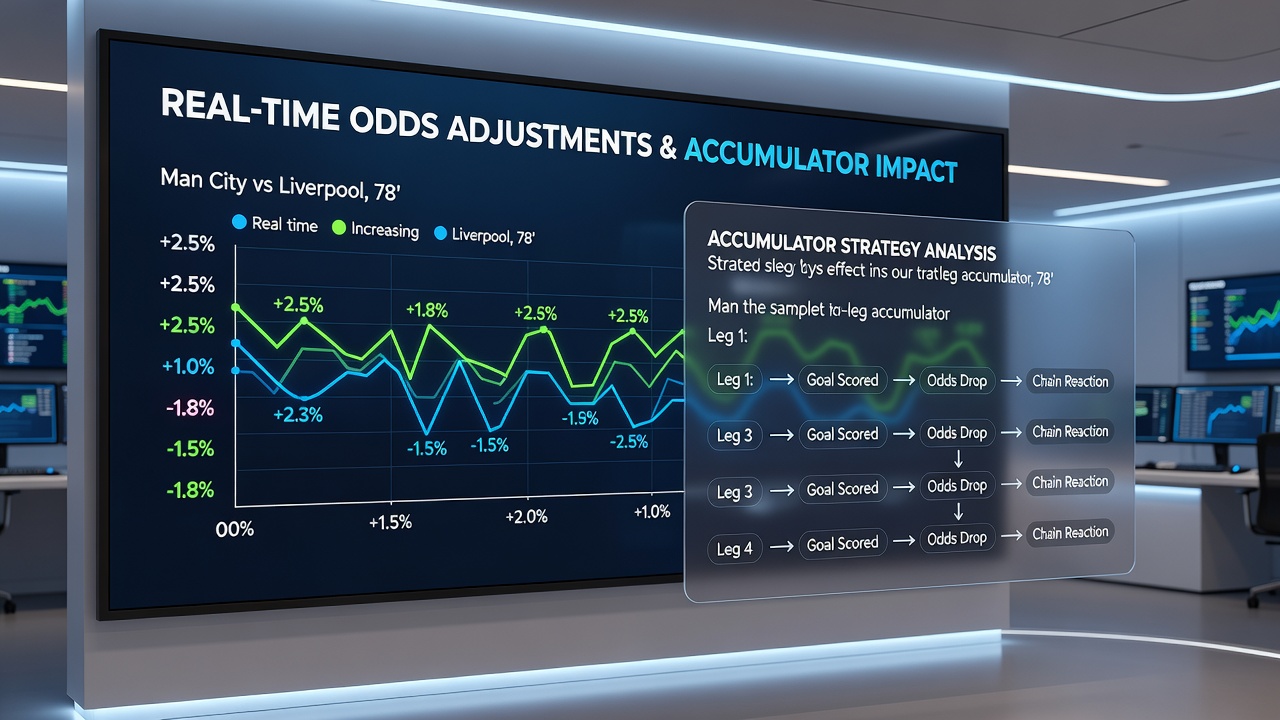
Real-time odds adjustments occur when bookmakers update prices continuously based on match events, player performance metrics, and betting volume patterns during soccer games, and these changes directly shape how accumulators are constructed or modified by bettors seeking to manage risk across multiple legs. Data from industry monitoring services indicates that odds can swing by 20 to 40 percent within minutes following a goal or red card, creating windows where accumulator selections either gain or lose value rapidly. Observers note that during high-stakes fixtures such as Champions League knockouts or international tournaments, these fluctuations intensify because liquidity pools expand and automated systems react to incoming wagers at scale.
Mechanics Behind Live Odds Updates
Bookmakers employ algorithms that integrate real-time data feeds from pitch-side sensors, statistical models, and order flow to recalibrate prices every few seconds, while human traders intervene during periods of extreme volatility to prevent exposure imbalances. Research indicates that a single substitution or injury stoppage can trigger immediate repricing across related markets, including goal totals, player shots, and corner counts, which in turn cascades into accumulator calculations where one leg's movement alters the overall payout potential. Those who track these systems find that the speed of adjustment often correlates with market depth, as deeper books absorb volume without drastic shifts whereas thinner lines experience sharper corrections.
Triggers That Drive Rapid Repricing
Goals remain the primary catalyst for odds movement, yet set-piece outcomes, VAR decisions, and even weather-related pauses contribute measurable effects according to aggregated match datasets. In June 2026, during the opening phase of expanded international competitions, analysts recorded elevated adjustment frequencies in early group-stage games where underdog selections moved from plus-money territory into shorter prices after sustained pressure phases. External factors such as team news leaks or referee assignments can also prompt pre-match recalibrations that carry over into live markets, forcing accumulator builders to reassess combinations mid-game rather than locking selections at kickoff.
Effects on Accumulator Construction and Management
Accumulators, which combine multiple selections into a single wager with multiplied odds, become sensitive instruments when live pricing changes because a single leg's contraction can reduce the entire ticket's expected return or push implied probabilities beyond acceptable thresholds. Bettors frequently monitor in-play dashboards to identify moments when one selection's improved price offsets deterioration elsewhere, allowing partial hedging or cash-out decisions that preserve portions of potential returns. Studies from sports analytics groups reveal that accumulator success rates decline when adjustments exceed average volatility thresholds, prompting some participants to employ staggered entry points across different bookmakers to capture favorable lines before widespread synchronization occurs.
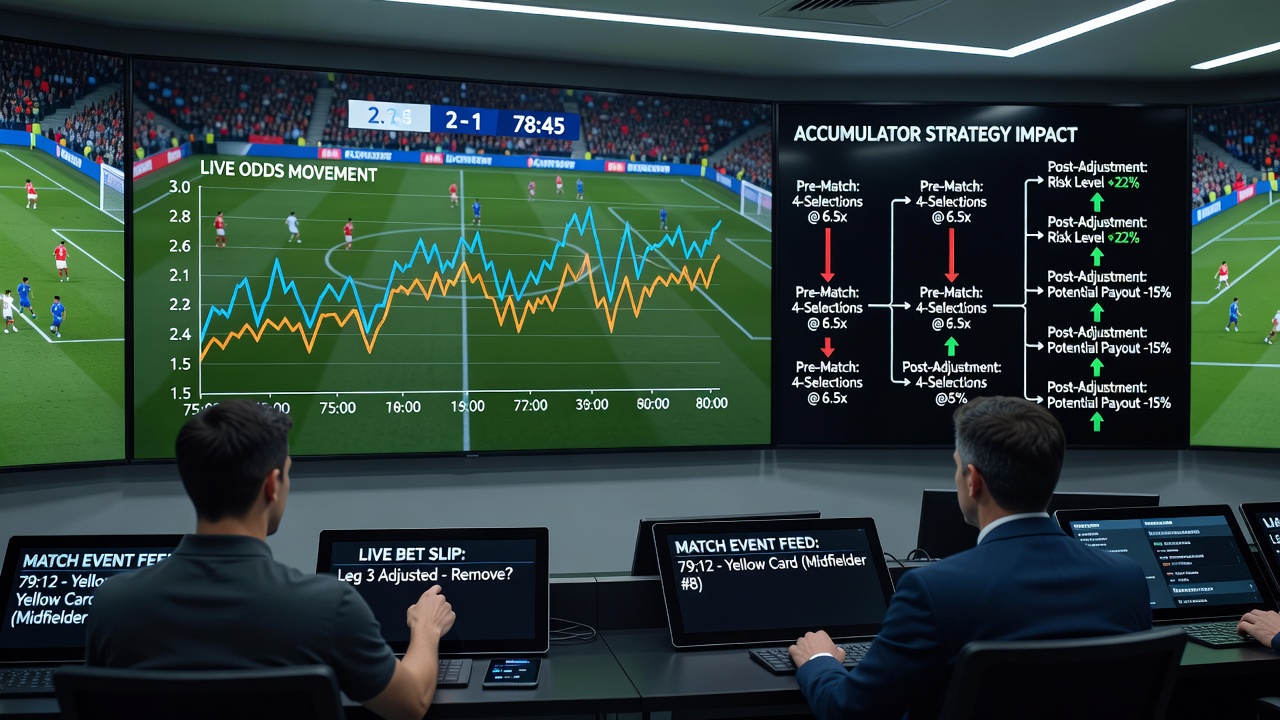
Patterns emerge where early-game caution leads to conservative leg selection, while late surges in one market encourage aggressive additions that capitalize on momentum-driven price improvements. Data shows that accumulators built around defensive-minded teams often benefit from slower adjustment cycles compared with high-scoring encounters, because fewer goal events produce steadier pricing environments.
Patterns Observed Across Recent Seasons
Longitudinal reviews of betting exchange data demonstrate that accumulator volumes spike during matches featuring frequent score changes, as participants react to shifting probabilities rather than static pre-match assessments. European regulatory filings from multiple jurisdictions highlight increased transaction counts in live soccer markets during peak fixture periods, with accumulator-specific promotions amplifying participation when bookmakers offer boosted returns on multi-leg combinations. Those monitoring platform metrics note that mobile interfaces now dominate these adjustments, delivering push notifications that alert users to price movements within seconds of occurrence.
Take one documented sequence from a 2025 league match where an early red card shifted the favorite's price from 1.45 to 1.28 within eight minutes, prompting accumulator holders to evaluate whether remaining legs could compensate or whether partial exits offered better risk control. Such instances illustrate how timing intersects with strategy, because delayed responses often lock in less favorable aggregate odds once markets stabilize.
Strategic Adjustments and Platform Variations
Different operators apply distinct risk-management protocols, resulting in staggered repricing that creates temporary arbitrage opportunities across sites for those monitoring multiple feeds simultaneously. Industry reports from the American Gaming Association indicate that integrated data services have reduced latency gaps, yet regional variations persist due to licensing requirements and local liquidity levels. Accumulator participants therefore compare live prices across platforms to determine optimal moments for adding or removing legs, a practice that has grown alongside expanded in-play market offerings. American Gaming Association research tracks these developments through operator-submitted metrics that quantify live-bet proportions relative to pre-match activity.
Additional context appears in analyses from the European Gaming and Betting Association, which documents how accumulator products interact with real-time feeds to influence overall handle distribution. European Gaming and Betting Association reports show consistent growth in live accumulator engagement during major tournaments, underscoring the linkage between dynamic pricing and multi-selection formats.
Conclusion
Real-time odds adjustments during soccer matches create a fluid environment that directly influences accumulator viability through continuous repricing triggered by match events and volume patterns. Observers tracking these dynamics note measurable impacts on construction timing, risk thresholds, and cross-platform comparisons, with data from multiple regulatory and industry sources confirming elevated activity during high-profile fixtures. As platforms refine their algorithms and data feeds expand, the interplay between live movements and accumulator planning continues to evolve along measurable trajectories documented in available reports.