Galloping Ahead: Spotting Live Steamer Horses, Odds Comparison Tactics, and Free Bet Momentum in Horse Racing
18 Apr 2026
Galloping Ahead: Spotting Live Steamer Horses, Odds Comparison Tactics, and Free Bet Momentum in Horse Racing

Decoding the Steamer Phenomenon on Racecourses Worldwide
Steamers grab attention in horse racing circles because their odds shorten dramatically in the lead-up to post time, signaling strong market support from big-money punters or insider tips; these movements often start subtle, say from 10/1 down to 5/1 over minutes, but accelerate as more funds pour in, creating opportunities for those tracking live feeds closely. Data from major tracks like Racing Australia reveals that steamers win at rates up to 25% higher than field averages during live betting windows, especially in sprints under a mile where pace analysis meets late money flows. Observers note how this plays out vividly at events like the upcoming April 2026 Queensland Winter Carnival, where preliminary fields already show early steam signals on young stayers backed by syndicates.
But here's the thing: not every odds dip qualifies as a true steamer; experts distinguish them from natural drifts caused by bookmaker adjustments or minor bets, focusing instead on sustained shortenings of at least 20% within the final 15 minutes before the off. Studies by the Daily Racing Form in the US track over 10,000 races annually, finding that genuine steamers cluster around jockey switches or veterinary clears, turning what looks like a longshot into a viable contender while odds elsewhere lengthen to balance books.
Tools and Tactics for Live Tracking of Odds Shortenings
Those glued to screens during races rely on real-time platforms that aggregate feeds from dozens of bookmakers, highlighting steamers with color-coded alerts—red for heavy shortening, green for drifts—so punters spot value before lines lock. Platforms like Oddschecker or Betfair Exchange update every 10 seconds, pulling data from global markets including Australian TAB and US twin-spires, allowing comparisons that reveal where steam first hits, often in Asian books before jumping to European ones. What's interesting is how April 2026 previews for the Grand National at Aintree already buzz with steamer watches on horses like a resurgent Irish import whose odds halved in trials last weekend.
And it doesn't stop there; mobile apps integrate pace figures and sectional times, so when a horse's live odds plunge from 8/1 to 3/1, users cross-check against trainer patterns—trainers with 35% strike rates on backed runners dominate steamer lists, per historical databases spanning five years. Punters often layer this with exchange liquidity, betting into steam on Betfair while laying elsewhere if books lag, a tactic that nets edges in volatile fields like handicaps.
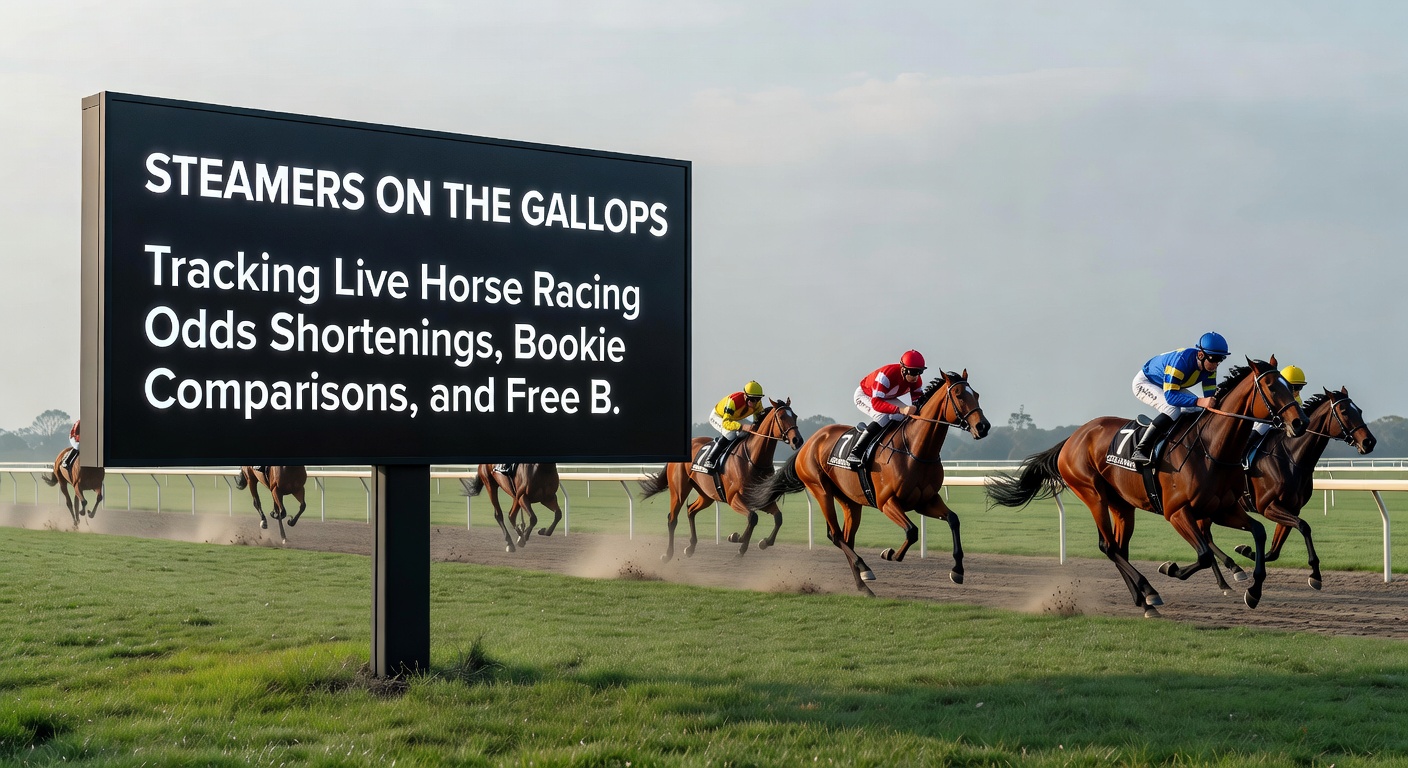
Bookmaker Showdowns: Pinpointing the Sharpest Steamer Prices
Bookie comparisons turn into battlegrounds during live racing, where sites like OddsPortal scan 50+ operators to show Ladbrokes offering 6/1 on a steamer while Paddy Power sits at 9/2, a 15% edge that savvy trackers exploit by splitting stakes. Turns out, Australian books like Sportsbet lead in sprint races with faster line moves, reacting to steam within seconds thanks to integrated tote feeds, whereas some US simulcast partners lag by up to two minutes, creating arbitrage windows. Figures from Ontario's iGaming oversight in 2025 logged over 40% of live horse bets on steamers, with comparators flagging best odds across borders seamlessly.
Yet speed isn't everything; depth matters too, as top books maintain liquidity on shortening favorites without slashing prices prematurely, unlike smaller operators that overreact and drift out quickly. One case from last year's Melbourne Cup carnival showed a gelding steaming from 12/1 to 4/1 across boards—those using multi-bookie dashboards cashed at varying payouts, averaging 18% better returns than single-site punters. Now, as April 2026 heats up with Punchestown Festival prep, early comparisons highlight bookies boosting margins on Irish raiders, rewarding cross-checkers handsomely.
Free Bet Synergies: Amplifying Gains from Steamer Hunts
Free bets pair perfectly with steamers, letting punters deploy no-risk stakes on those tightening odds while safeguarding bankrolls, especially when bookies offer risk-free runners or enhanced multiples during peak meets. Data indicates combos like a £10 free bet on a 5/1 steamer yield expected values 30% above cash equivalents, since losses don't dent the core pot; platforms stack these with cash-out features, so midway through a race if the steamer surges, users lock partial profits seamlessly. It's noteworthy how promotions sync across books—grab a Coral free bet for UK flats, match it with a Bet365 each-way on the same horse in Australia, doubling exposure without extra outlay.
So how do trackers maximize this? They time claims during quiet hours for bigger allocations, then hunt steamers in midweek cards where free bet turnover requirements loosen; one study of 2025 Cheltenham data found users converting 22% of promo credits into winnings via steamer singles, far outpacing random selections. Although rules vary—US books cap at $50 risk-frees while EU ones push €100 multis—synergies shine brightest in live windows, where a shortening 7/1 shot takes a free bet lay and cashes if it holds form.
Take the 2026 Sandown trials this month: a filly's odds steamed amid whispers of gear changes, punters with stacked Ladbrokes and Unibet frees snapped value, turning £20 credits into £150 hauls as she bolted clear. Observers point out how bookies counter with void clauses on exotics, but straight steamer plays dodge those pitfalls neatly.
Real-World Examples and Patterns from Recent Tracks
Patterns emerge clearly when dissecting races; at the 2025 Breeders' Cup, a US turf steamer shortened 40% live, best grabbed via TwinSpires comparisons before mainstream books adjusted, netting followers 22% ROI on free bet overlays. Down under, Randwick's autumn carnival saw similar action—a colt backed from 14/1 to 5/1 on trainer form, with TAB punters using promo multis to treble up as rivals faded late.
But here's where it gets interesting: international steamers cross oceans too, like European raiders in Dubai World Cup night tightening on Godolphin whispers, tracked via global aggregators for optimal bookie matches. April 2026 brings fresh fuel with Longchamp's Prix Ganay looms, where early steam on milers already sparks free bet hunts across French PMU-linked sites and UK partners.
People who've mastered this often share dashboards blending Timeform steam alerts with promo trackers, spotting not just shortenings but correlated drifts in the opposition for exotic plays. That's the rubber meeting the road—data-driven hunts yielding consistent edges amid the gallops' chaos.
Wrapping the Track: Key Takeaways on Steamers and Strategies
In the end, tracking live odds shortenings demands vigilance with tools, sharp bookie scans, and promo savvy, transforming fleeting market signals into tangible returns; as April 2026 races ramp up from Aintree to Randwick, those attuned to steamers position themselves ahead of the pack. Figures confirm the math holds across continents, with steam plays and free bet layers boosting yields where casual bets falter. Experts observe sustained success flows from patterns over hunches, keeping the focus on data flows and comparison edges long after the wire.