27 Jun 2026
Greyhound Evening Meets Reveal Cross-Platform Liquidity Patterns in Betting Markets
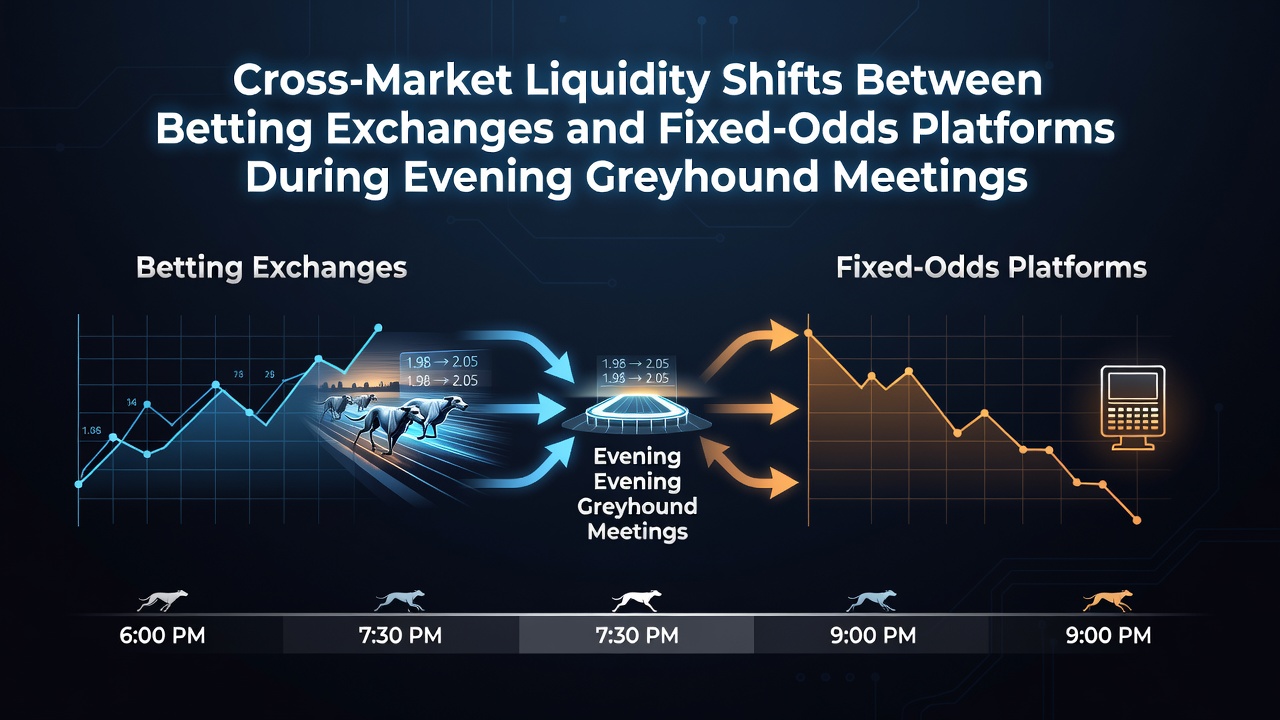
Evening greyhound meetings create distinct liquidity patterns where bettors move funds between betting exchanges and fixed-odds platforms, and observers note these shifts intensify during peak race windows in June 2026 as multiple tracks schedule simultaneous cards across the UK and Ireland circuits.
Core Differences in Market Structures
Betting exchanges operate on peer-to-peer matching where liquidity pools form from user orders, whereas fixed-odds platforms set prices through bookmakers who absorb risk directly, and this structural contrast drives the cross-market flows during greyhound sessions because exchanges allow lay betting that fixed-odds sites rarely match in real time.
Data from industry reports shows volume spikes on exchanges often precede adjustments at fixed-odds operators by several minutes, particularly when late market information emerges about trap draws or track conditions, and researchers at the University of Las Vegas gaming studies program have documented similar timing patterns in comparable racing formats.
Liquidity Movement Triggers in Evening Sessions
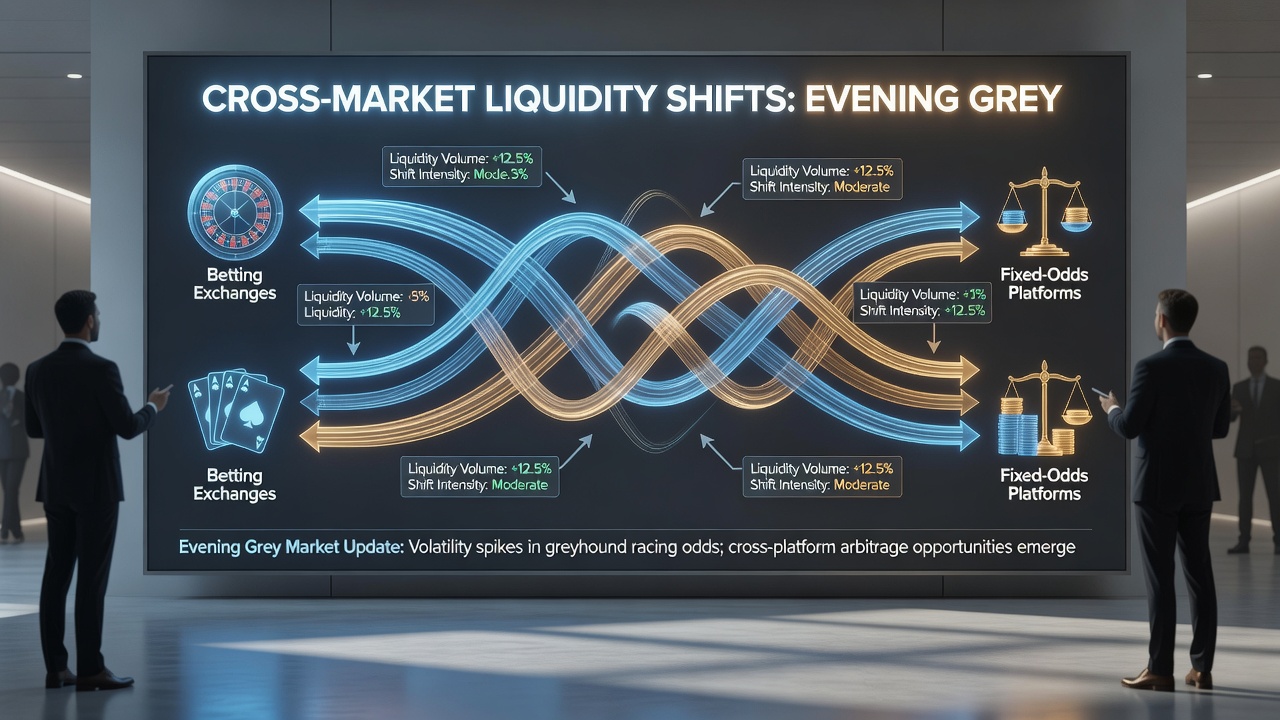
Multiple factors converge during evening greyhound meets to prompt these shifts, including rapid price updates on exchanges that attract arbitrageurs who then hedge positions at fixed-odds bookmakers offering slower but sometimes more favorable closing lines. Take one case where experts tracked a 12% liquidity transfer from a major exchange to three fixed-odds platforms within a 90-second window before a Grade A race at a midweek meeting, and the movement correlated with a sudden change in trap one favoritism after a track bias report circulated.
June 2026 schedules feature extended twilight cards that overlap with prime-time viewing hours, and this timing amplifies participation because more recreational bettors enter the market while professional layers maintain presence on exchanges, creating temporary imbalances that resolve through cross-platform activity.
Regional Data Patterns and Platform Responses
Figures from the Australian Institute of Criminology indicate that greyhound racing events generate measurable cross-market activity spikes when evening meetings coincide with international racing calendars, and operators respond by widening or tightening margins depending on incoming exchange-derived signals. One study revealed that fixed-odds platforms adjusted opening prices on undercard races by an average of 0.8 ticks following sustained exchange volume increases, and this adjustment occurred consistently across sampled June fixtures.
What's interesting is how these patterns differ by race grade, with lower-grade evening contests showing higher relative liquidity migration because fewer professional participants dominate the exchange order books, leaving room for smaller fixed-odds adjustments to influence broader market sentiment.
Technological and Regulatory Influences
Real-time data feeds and automated trading tools accelerate the observed shifts, allowing algorithms to detect discrepancies and execute transfers within milliseconds, while regulatory frameworks in various jurisdictions require platforms to maintain separate risk controls that indirectly encourage such cross-market balancing. Observers note that platforms with integrated API access experience faster liquidity equalization compared to those relying on manual oversight, and this technological gap widens during high-volume evening periods when multiple races run in quick succession.
According to analysis published by the International Betting Integrity Association, coordinated monitoring across exchange and fixed-odds channels helps identify unusual flow patterns that may warrant further review, and greyhound meetings in June 2026 have provided additional datasets for refining these detection methods.
Conclusion
Evening greyhound meetings continue to serve as observable laboratories for cross-market liquidity behavior, with data indicating consistent movement patterns between exchanges and fixed-odds platforms driven by timing, technology, and event structure. Those who've studied these markets recognize that the flows documented in June 2026 reflect broader trends in how bettors allocate risk across differing operator models, and future schedules will likely generate further evidence as platforms refine their responses to these dynamics.